4221 Vista Road, Pasadena, TX 77504


Using Sedation Dentistry for Cavity Removal and Fillings


Using Sedation Dentistry for Cavity Removal and Fillings
In the past, a visit to the dentist for cavity removal or fillings meant enduring sharp tools and prolonged discomfort. Thankfully, modern dental technology, particularly sedation dentistry, has completely transformed this experience. By combining advanced techniques with a calming approach, sedation dentistry allows for a more comfortable and efficient procedure, reducing anxiety and pain.
At Sierra Smiles Dentistry of Pasadena, we specialize in using sedation options to ensure your cavity treatments are smooth and stress-free. This blog will explore how sedation dentistry can make cavity removal and fillings a more pleasant experience for all patients, offering you peace of mind along with a healthier smile.
What is Sedation Dentistry?
Sedation dentistry is a technique that uses medication to help patients relax during dental procedures. Unlike traditional dental visits, where you may feel anxiety or discomfort, sedation dentistry allows for a calm and comfortable experience. The primary goal is to alleviate fear and stress while ensuring you remain comfortable throughout the procedure. There are several types of sedations commonly used in dentistry, including:
- Oral Sedation: Often prescribed as a pill, oral sedation helps to ease anxiety. It doesn’t put you to sleep, but you’ll feel drowsy and relaxed, often forgetting parts of the procedure.
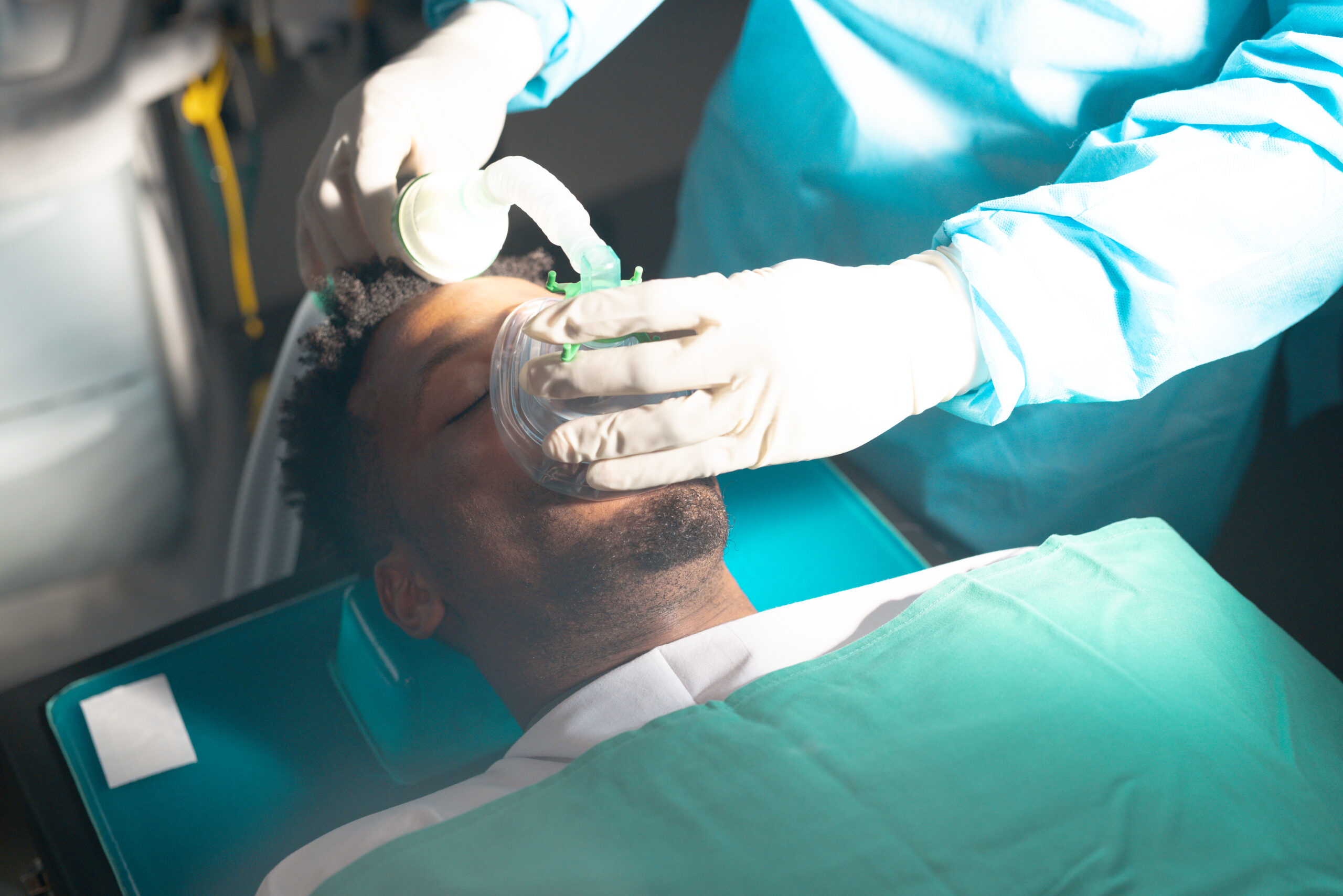
- Nitrous Oxide (Laughing Gas): Inhaled through a mask, nitrous oxide relaxes patients quickly without putting them to sleep. It’s often used for more minor procedures.
- IV Sedation: For patients undergoing more complex treatments, intravenous (IV) sedation delivers a deeper level of relaxation. It’s highly effective and allows the dentist to adjust the level of sedation during the procedure.
Each method is tailored to the patient’s needs and the complexity of the procedure, ensuring the best possible comfort during cavity treatment and fillings.
How Sedation Dentistry Works for Cavity Removal
The process of cavity removal with sedation dentistry in Pasadena begins just like any other procedure, but with an added layer of comfort:
- Step-by-Step Process: First, your dentist will assess the cavity and explain the procedure. Then, the appropriate sedation method is administered, whether through an oral pill, nitrous oxide, or IV sedation. Once the sedation kicks in, the dentist will use modern tools to remove the decayed portion of the tooth. Sedation ensures you don’t feel discomfort or pain during this procedure.
- Benefits Over Traditional Methods: Traditional cavity treatment often requires local anesthesia, which numbs the area but can still leave you feeling tense. With sedation, there’s no need for worrying about pain during the procedure. You’ll remain relaxed throughout the process, and many patients find they have little to no memory of the treatment.
- Patient Experience: From the moment you step into Sierra Smiles Dentistry of Pasadena, you’ll be greeted with care and understanding. Depending on the sedation option, you’ll either be gently relaxed or completely at ease.
After the procedure, you may feel drowsy, but you’ll be monitored until you’re ready to go home. Since you’re relaxed, there’s no need for a stressful recovery. Just follow the dentist’s aftercare advice for a smooth healing process.
Sedation Dentistry for Fillings: A Modern Approach
After cavity removal, the next step is filling the cavity to restore the tooth. Here’s how sedation helps during this process:
- Process Overview: Once the cavity is removed, sedation continues to keep you comfortable while the dentist cleans the area and prepares it for a filling. The filling material (composite resin or amalgam) is then applied, molded to fit the cavity perfectly, and set into place. Sedation ensures you remain relaxed throughout, even during the placement and hardening of the filling.
- Types of Fillings: After the cavity is prepared, your dentist will choose the right filling material for your needs. Composite resin is often used for cavities in visible areas, blending well with the natural tooth color. Amalgam fillings, which are durable and long-lasting, are commonly used for back teeth. Both materials bond well with the tooth, ensuring a strong and secure filling.
- Benefits for Patients: Sedation dentistry reduces the discomfort commonly associated with fillings. Patients experience less pain, and the recovery time is faster since the procedure is smoother and more relaxed. Whether you’re getting a simple filling or a more complex restoration, sedation ensures the process is as comfortable as possible.
The Advantages of Sedation Dentistry for Cavity Treatment
Sedation dentistry offers numerous benefits that make it the ideal choice for many patients:
- Less Pain: The most obvious benefit is reduced discomfort during cavity removal and fillings. With sedation, there’s no sharp pain, and in many cases, you won’t even remember the procedure.
- Reduced Risk of Infection: Since the procedure is less invasive and involves less stress on the surrounding tissue, the risk of infection is reduced. Laser technology, combined with sedation, helps prevent unnecessary trauma to the tooth and gums.
- Precision and Accuracy: Sedation allows the dentist to focus with precision, preserving as much healthy tooth structure as possible while treating the decay.
- Faster Healing: Patients recover more quickly with sedation dentistry due to less trauma during the procedure. With minimal stress on the gums and tooth, the healing process is smoother.
Who is a Good Candidate for Sedation Cavity Treatment?
Sedation dentistry is suitable for a wide variety of patients:
- Types of Cavities: Sedation is especially helpful for patients with anxiety, deep cavities, or multiple cavities that require extensive treatment in one session. Sedation makes these treatments much more comfortable.
- Age and Health Considerations: Children and adults who experience anxiety or fear at the dentist benefit from sedation. Patients with sensitive gag reflexes or those who are undergoing lengthy treatments also make great candidates. However, the dentist needs to assess your medical history to determine the most appropriate sedation method for your health.
If you’re unsure whether sedation dentistry in Pasadena is right for you, schedule a consultation with Sierra Smiles Dentistry of Pasadena to discuss your options.
Is Sedation Dentistry Safe?
Yes, sedation dentistry is generally safe, especially when administered by a professional dentist. At Sierra Smiles Dentistry of Pasadena, we follow strict safety protocols to ensure your well-being during treatment:
- Safety Measures: Dentists monitor the patient’s vitals, including heart rate and oxygen levels, throughout the procedure to ensure safety.
- FDA Approval: The sedatives used in dental procedures are FDA-approved and are routinely used in medical and dental practices worldwide.
- Risks and Concerns: As with any medical treatment, there are minor risks associated with sedation, including allergic reactions or over-sedation. However, these risks are extremely rare and can be minimized by working with an adept team.
Your dentist will thoroughly assess your health history and medical needs before recommending sedation options.
What to Expect After Sedation Cavity Treatment
Once the treatment is complete, recovery is typically quick and easy:
- Post-Procedure Care: Patients may feel drowsy for a few hours following sedation. It’s essential to rest and avoid any strenuous activity. Your dentist will provide specific care instructions, such as avoiding hard or hot foods until the numbness wears off.
- Long-Term Benefits: Sedation helps reduce the stress associated with cavity treatments, making future dental visits more manageable. Over time, the benefits of a calm, less invasive treatment will improve your overall dental health.
Why Choose Sedation Dentistry for Cavity Removal and Fillings?
Sedation dentistry offers significant advantages for those who want a more comfortable and less stressful dental experience. Here’s a quick recap of the benefits:
- Less Pain and Anxiety during the procedure.
- More Precision and Accuracy for long-lasting fillings.
- Faster Recovery with minimal discomfort post-treatment.
At Sierra Smiles Dentistry of Pasadena, we’re committed to providing a relaxed and comfortable dental experience. Contact us today to schedule your consultation and see how sedation dentistry can transform your next dental visit.
Sedation dentistry has revolutionized cavity removal and filling procedures, offering patients a stress-free, pain-free experience. Whether you’re nervous about dental treatments or need more extensive work done, sedation can make a world of difference. To experience the comfort of sedation dentistry, book an appointment at Sierra Smiles Dentistry of Pasadena today and enjoy a more relaxed, effective treatment.
People Also Know
How long does a laser cavity treatment take?
Laser cavity treatments usually take less time than traditional methods, with most procedures lasting between 30 and 60 minutes.
Do I need anesthesia for sedative cavity treatment?
In most cases, anesthesia is not needed, as lasers cause minimal discomfort, but your dentist may use it for more complex cases.
How quickly will I recover from sedative treatment?
Recovery is faster compared to traditional methods, with minimal swelling, bleeding, and discomfort post-treatment.
Can sedation dentistry be used for all cavities?
Laser dentistry is ideal for small to medium cavities, but more extensive decay may require traditional treatments.
What filling materials are used after laser cavity removal?
After laser cavity removal, composite resin or dental amalgam fillings are typically used to restore the tooth.