4221 Vista Road, Pasadena, TX 77504


Teeth Cleaning Stain Removal in Pasadena, TX

Teeth Cleaning Stain Removal in Pasadena, TX
Many patients in Pasadena, TX leave their dental cleaning feeling confused. Their teeth look cleaner, but some discoloration still remains. Understanding surface stains vs deep stains — and what your cleaning actually removes in Pasadena — helps you set realistic expectations. At Sierra Smiles Dentistry of Pasadena, Dr. Christopher Sierra believes informed patients make better decisions about their oral health.
What Are Surface Stains and Where Do They Come From?
Surface stains, also called extrinsic stains, sit on the outermost layer of your tooth enamel. They develop when pigmented substances bond to the thin protein film that coats your teeth. You accumulate these stains gradually through daily habits.
Common causes of surface stains include:
- Coffee and tea consumed regularly
- Red wine and dark-colored sodas
- Tobacco products, including cigarettes and chewing tobacco
- Berries, tomato sauce, and other deeply pigmented foods
- Poor brushing habits that allow plaque to trap staining compounds
Surface stains respond well to professional cleaning. They are not permanent when addressed consistently. That is good news for most patients in Pasadena who drink coffee every morning.
What Are Deep Stains and Why Are They Different?
Deep stains, also called intrinsic stains, form within the inner structure of the tooth. They are not sitting on the enamel surface — they are embedded in the dentin beneath it. This is why regular brushing alone cannot remove them.
Intrinsic stains develop from several causes. Some originate before a tooth even erupts. Others develop slowly over years of exposure to certain substances or medications.
Common causes of intrinsic or deep stains include:
- Tetracycline antibiotic use during childhood tooth development
- Excessive fluoride exposure during enamel formation (dental fluorosis)
- Trauma or injury to a tooth that causes internal bleeding
- Natural aging, which thins enamel and reveals the yellower dentin beneath
- Genetic factors that affect enamel thickness and color
Deep stains require more than a standard cleaning to address. Dr. Sierra will help you identify which type of staining you have during your visit.
What Does a Professional Dental Cleaning Actually Remove?
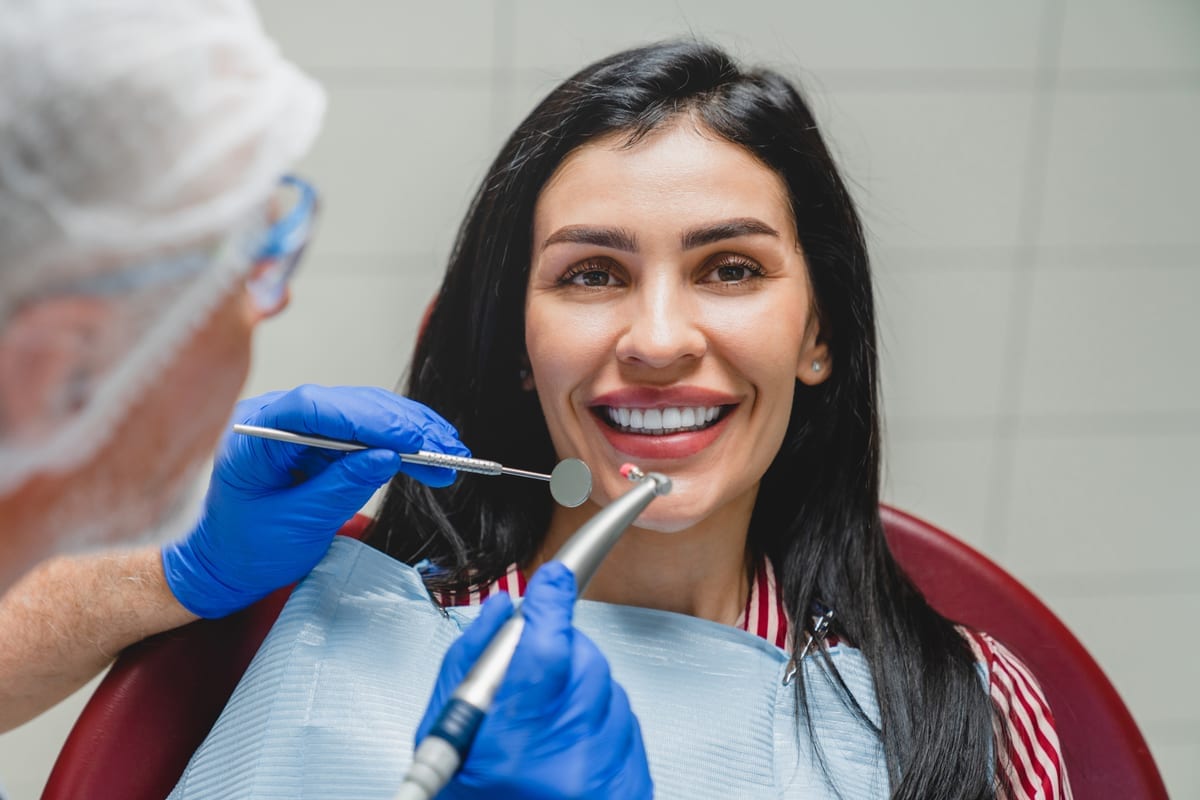
A professional Dental Cleanings appointment targets several things at once. Your hygienist removes plaque, tartar buildup, and surface stains during the same visit. Each of these serves a distinct purpose for your oral health.
During a routine cleaning, your hygienist uses specialized tools to scale away hardened tartar. They then polish the tooth surface using a mildly abrasive paste. This polishing step is where surface stain removal actually happens.
Here is what you can realistically expect a cleaning to remove:
- Soft plaque that brushing at home misses
- Calculus (hardened tartar) along and below the gumline
- Light to moderate surface stains from food, drink, and tobacco
- Biofilm that dulls the natural shine of your enamel
After your cleaning, your teeth should look noticeably brighter. However, if deep stains are present, they will still be visible. That is not a failure of your hygienist — it simply reflects the nature of intrinsic discoloration.
Patients with Careington Dental Insurance may find that routine cleanings are a covered benefit worth taking full advantage of twice per year.
When Should You Consider Teeth Whitening Instead?
Teeth whitening is designed specifically to address discoloration that cleaning cannot fix. Professional whitening uses peroxide-based agents that penetrate enamel. These agents break apart the chemical bonds that cause deep pigmentation.
You may benefit from whitening treatment if your teeth still appear yellow or gray after a professional cleaning. Whitening works best on teeth that have yellowed due to aging or moderate extrinsic staining. It is less effective on intrinsic stains caused by tetracycline or fluorosis.
Dr. Sierra recommends scheduling a cleaning before any whitening treatment. Clean teeth respond more evenly to whitening agents. Starting with a clean surface also ensures the best possible outcome.
Some patients find that a combination approach works well. A professional cleaning removes surface buildup, while whitening lifts the deeper discoloration. Dr. Sierra can evaluate your specific situation and recommend the right sequence of care.
How to Maintain Results After Your Cleaning in Pasadena
Your cleaning results will last longer with a few simple habits. What you do at home between appointments makes a significant difference. Consistency matters more than any single product or treatment.
To protect your teeth and keep staining minimal, consider the following tips:
- Brush at least twice daily with a fluoride toothpaste
- Floss once daily to remove staining particles between teeth
- Rinse with water immediately after consuming coffee, tea, or wine
- Use a straw when drinking dark-colored beverages
- Avoid tobacco products entirely to prevent new staining
- Schedule professional cleanings every six months
Your enamel is porous, which means staining compounds can re-enter over time. Building protective habits slows this process significantly. Patients who maintain regular cleaning schedules tend to experience less stubborn buildup at each visit.
Frequently Asked Questions
Can a dental cleaning make my teeth noticeably whiter?
A professional cleaning can make teeth look brighter by removing surface stains, plaque, and tartar buildup. However, a cleaning will not change the natural color of your enamel or correct deep intrinsic staining. For more dramatic whitening results, professional teeth whitening treatment is the appropriate next step.
How do I know if my stains are surface-level or deep?
Surface stains are usually yellowish-brown and correspond to dietary or tobacco habits. Deep stains often appear gray, blue, or dark yellow and do not respond to polishing or whitening toothpaste. Dr. Christopher Sierra can evaluate your teeth during a routine exam and identify the likely cause and type of your staining.
Does teeth whitening damage enamel?
Professional teeth whitening, when performed or supervised by a dentist, is considered safe for most patients. The peroxide-based agents used temporarily open enamel pores to lift stains, then the enamel remineralizes naturally. Overuse of whitening products at home can cause sensitivity or enamel irritation, which is why professional guidance is important.
How often should I get a professional dental cleaning?
Most patients benefit from a professional cleaning every six months. Some patients with a history of gum disease or heavy staining may need more frequent visits. Dr. Sierra will recommend a schedule based on your individual oral health needs during your exam.
Can surface stains come back after a cleaning?
Yes, surface stains can return if the habits that caused them continue. Coffee, tea, wine, and tobacco are the most common culprits. Rinsing with water after consuming staining foods and maintaining consistent brushing habits will slow the rate at which stains reappear between cleanings.
At Sierra Smiles Dentistry of Pasadena, Dr. Christopher Sierra and his team are here to help you understand your smile and how to care for it. Knowing the difference between surface and deep staining empowers you to choose the right treatment. Book Now to schedule your appointment with our team.