4221 Vista Road, Pasadena, TX 77504


Do You Need Your Wisdom Teeth Removed? Warning Signs Residents Should Not Ignore

Do You Need Your Wisdom Teeth Removed? Warning Signs Residents Should Not Ignore
Hidden troublemakers, such as wisdom teeth, can affect your smile. If your dentist has suggested that you might need to have your wisdom teeth extracted, it’s essential to understand how important it is to remove them early. Whether you’re feeling pain or want to find out more about the procedure, understanding the symptoms of wisdom tooth problems will help you maintain your overall oral health. In this blog, we’ll discuss some of the signs that indicate the need for wisdom tooth extraction and help you determine if you’re ready to have your wisdom teeth removed.
What Are Wisdom Teeth, and Why Are They Important?
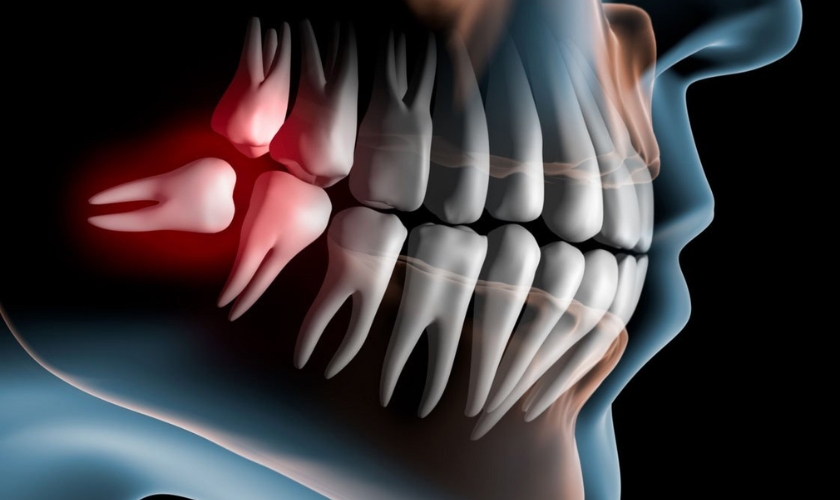
Wisdom teeth, commonly called third molars, are located at the very back of your mouth. These teeth typically appear between the ages of 17 and 25. Some people experience the arrival of their wisdom teeth without issues; however, many find problems arise once wisdom teeth become visible.
Wisdom teeth are located deep within the mouth, and cleaning them thoroughly is often very difficult. Because they either do not fully erupt or grow in at an angle, wisdom teeth can cause problems for adjacent teeth and lead to infection. This is where wisdom tooth removal in Pasadena becomes essential for many people.
Common Signs That Your Wisdom Teeth Need to Be Removed
Not everyone will experience discomfort with their wisdom teeth, but several key signs can indicate it’s time to consult a dentist.
Discomfort or Sensitivity in the Back of Your Mouth
If you feel pain or tenderness at the back of your mouth, it could be that your wisdom teeth are trying to come through your gums, or they are growing in at an angle. It’s normal to experience discomfort during the eruption of wisdom teeth. However, if you experience prolonged pain or severe discomfort, it’s a sign that your teeth may be impacted or causing other issues.
Swelling and Redness in Your Gums
Swelling and redness around wisdom teeth are signs of infection. When wisdom teeth become impacted or don’t fully grow, the tissue around them may get irritated and swollen. If an erupting tooth is causing you discomfort, you might be suffering from pericoronitis. You should see your dentist to prevent further problems.
Difficulty Opening Your Mouth
If you cannot open your mouth completely, it may be because your wisdom teeth are pushing against your other teeth or inflaming your gums. Sometimes, the pressure from impacted teeth can restrict the range of motion of your jaw. If it happens, it’s time to get an appointment with the dentist.
Bad Breath or an Unpleasant Taste in Your Mouth
Impacted wisdom teeth can sometimes trap food particles, leading to bacterial buildup. This can result in persistent bad breath or an unpleasant taste in your mouth. This suggests an infection or decay may be present, which could necessitate wisdom tooth removal in Pasadena.
The Risks of Keeping Your Wisdom Teeth
Untreated wisdom teeth don’t just cause pain, but may also have the following risks:
- Infections: As mentioned earlier, they can cause pain in the tooth due to partial eruption or when impacted, and can also cause infection of the gums or other areas.
- Damage to Adjacent Teeth: The presence of wisdom teeth can push adjacent molars out of alignment, potentially damaging other existing teeth.
- Cysts or Tumors: Rare cases exist in which a cyst or tumor may form around the impacted wisdom teeth and, in some instances, may damage the jawbone or other structures in one’s mouth.
When to See a Dentist
Don’t wait for the pain to be extreme. Whenever you experience any of these combinations, it is always a good idea to consult your dentist. They are going to have a thorough examination done, including x-rays, to find out the position and condition of your wisdom teeth.
Early evaluations are critical for younger patients. Dentists, too, usually recommend that parents keep an eye out for possible developments in wisdom teeth at the same time as those dental appointments, before anything ever exhibits symptoms. The older a person is at the time of uneventful removal of problematic wisdom teeth, the greater the discomfort and the longer the healing time.
Your dentist will discuss whether extraction is necessary based on:
- The angle and position of the teeth
- Available space in your mouth
- Signs of decay or infection
- Impact on surrounding teeth and bone
What to Expect with Extraction
When extraction is required, the procedure is routine. It will be performed using local anaesthesia, sedation, or general anaesthesia, depending on the complexity of the procedure. Recovery time is usually 1 to 7 days; following your aftercare procedures, you should heal smoothly after any extraction.
Your dental care provider should give you specific instructions on how to care for the discomfort from your extraction, what types of soft foods will assist you in recovery, and how to keep your extraction areas clean. Most individuals return to their regular routines within a few days of their extraction.
How Sierra Smiles Dentistry Can Help
Do you currently have pain related to an impacted wisdom tooth? Are you concerned about needing to have your wisdom teeth extracted? If so, please don’t delay in contacting our office. Our team of professionals at Sierra Smiles Dentistry of Pasadena will provide you with a full range of dental care services while keeping your comfort our number one priority. The team will provide expert recommendations for your wisdom tooth extractions and gentle treatment to minimize discomfort during and after the procedure.
Contact us today to schedule your consultation and learn more about your options for wisdom tooth removal in Pasadena.
FAQs
1. When should wisdom teeth be removed?
Wisdom teeth are usually removed during the late teenage or early adult years; however, the best time will depend upon your individual circumstances. Your dentist will help you determine the right time for you.
2. Will I feel pain during wisdom tooth removal?
Wisdom tooth extraction is typically performed using local anesthesia or sedation so that you will not experience pain during the actual procedure. You can manage any discomfort after the surgery with prescription medications.
3. Can I avoid having my wisdom teeth removed?
In some cases, as long as the wisdom teeth come in properly and there are no complications, they may not need to be removed. Regular dental checkups will ensure the dentist monitors your wisdom teeth and helps you avoid problems later.
4. What is the recovery time after having wisdom teeth removed?
Most patients will recover from this procedure within 3–4 days; however, complete recovery may take up to 2 weeks, depending on the techniques used to remove the teeth.
5. Is there an alternative to having my wisdom teeth removed?
If minimal issues are present and the wisdom teeth are causing little or no pain, your dentist may recommend monitoring them regularly and maintaining them rather than removing them. However, if issues develop or worsen, the best course of action may be to remove the teeth.